Cancer surgery is an important part of treatment, but recovery doesn’t always end after the operation.
Many patients experience weakness, fatigue, pain, stiffness, swelling, balance problems, or difficulty walking after surgery. Some may also find everyday activities harder than before.

This is where physiotherapy and cancer rehabilitation can help.
Physiotherapy does not treat cancer itself. Instead, it helps patients recover their movement, strength, independence, and confidence after cancer treatment.
Why Is Physiotherapy Important After Cancer Surgery?
After major surgery, patients may spend a lot of time resting or become less physically active. This can lead to muscle weakness and reduced stamina.
Depending on the type of cancer and surgery, physiotherapy may help with:
- Muscle weakness
- Difficulty walking
- Joint stiffness
- Reduced range of motion
- Balance problems
- Fatigue
- Pain and movement difficulties
- Swelling or lymphedema
- Difficulty returning to daily activities
The World Health Organization recognizes rehabilitation as an important part of cancer care and recovery.
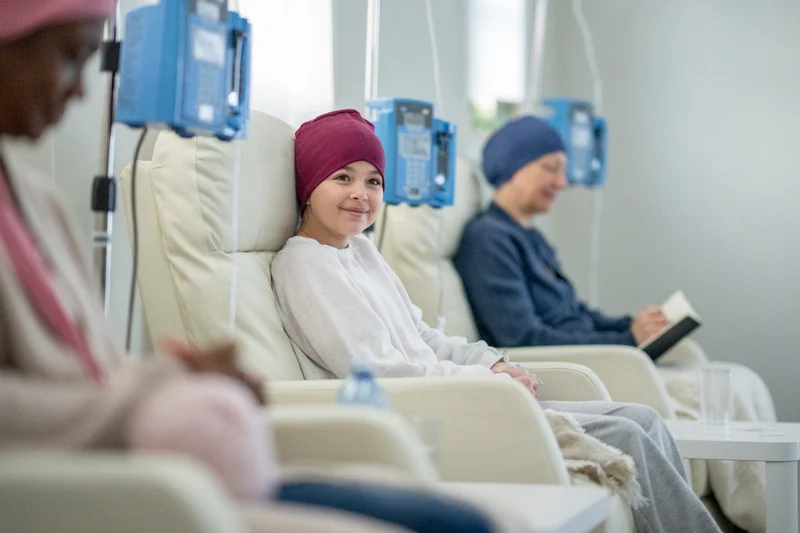
How Can Physiotherapy Help?
1. Rebuild Strength
After surgery and reduced activity, muscles can become weak.
A physiotherapist can create a gradual exercise program to help rebuild strength safely.
Exercises may include:
- Gentle strengthening
- Sit-to-stand exercises
- Core and lower-limb exercises
- Functional exercises
- Gradual resistance training
The goal is progressive recovery, not pushing the patient too hard.
2. Improve Walking and Mobility
Some patients find it difficult to walk or move around after surgery.
Physiotherapy can help patients gradually work on:
- Standing
- Walking
- Stairs
- Daily activities
Balance and gait exercises may also be helpful for patients experiencing weakness or treatment-related nerve problems.
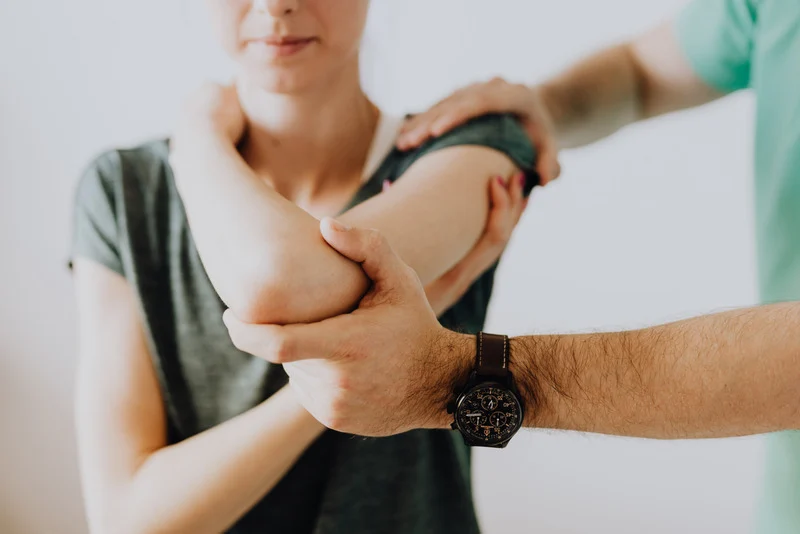
3. Reduce Stiffness and Improve Movement
Certain cancer surgeries can affect movement around the surgical area.
For example, after breast cancer surgery, some patients may experience shoulder stiffness or reduced arm movement.
A physiotherapist can prescribe appropriate mobility and stretching exercises to gradually restore movement.
4. Manage Fatigue
Cancer-related fatigue can make even simple activities feel difficult.
The answer isn’t always complete rest.
When medically appropriate, a carefully planned exercise program can help patients gradually improve their physical capacity.
The National Cancer Institute recommends starting physical activity gradually and discussing exercise with the healthcare team.
5. Help With Swelling and Lymphedema
Some cancer treatments can affect the lymphatic system and cause swelling.
A trained rehabilitation professional can assess swelling and, when appropriate, provide guidance for lymphedema management, exercise, movement, and other supportive strategies.
Not every type of swelling is lymphedema, so proper assessment is important.
6. Help Patients Become Independent Again
Recovery isn’t just about reducing pain.
It’s about being able to do the things that matter in everyday life.
Physiotherapy may help patients work toward goals such as:
- Getting out of bed independently
- Walking around the house
- Using stairs
- Getting dressed
- Returning to work
- Going outside
- Returning to hobbies and normal activities
The goal is to help the patient become as independent and active as safely possible.
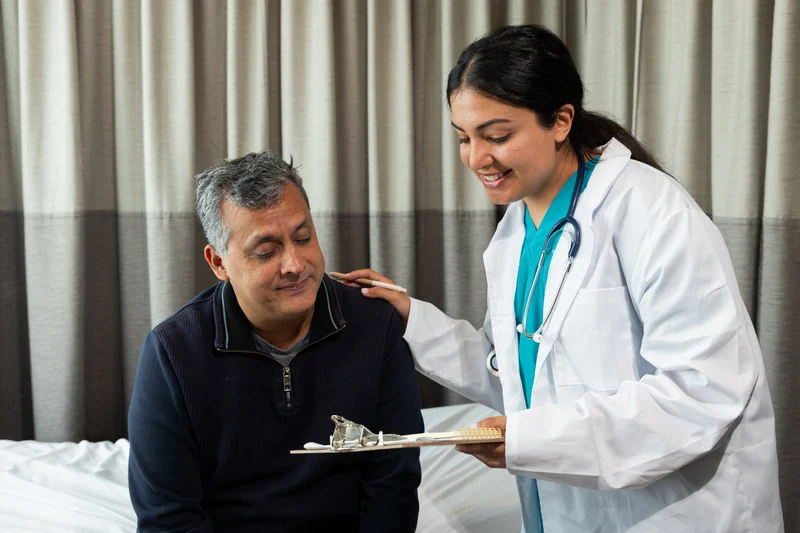
Physiotherapy After Different Cancer Surgeries
Every cancer patient is different, so rehabilitation is not the same for everyone.
After Breast Cancer Surgery
Physiotherapy may focus on shoulder and arm movement, strength, posture, and swelling management.
After Abdominal or Pelvic Surgery
Treatment may focus on walking, general strength, endurance, and gradually returning to normal activities.
After Head and Neck Cancer Surgery
Depending on the surgery, rehabilitation may address neck and shoulder movement, posture, strength, and other functional problems.
After Bone or Soft-Tissue Surgery
Rehabilitation may focus on mobility, strength, balance, walking, and functional activities.
When Should Physiotherapy Start?There is no single timeline for every patient.
Some patients may benefit from rehabilitation before surgery, while others begin after the operation.
The right time depends on:
- Type of surgery
- Healing
- Current cancer treatment
- Medical condition
- Surgical restrictions
- Overall strength and mobility
Always follow the advice of your surgeon and oncology team regarding when and how to begin physical activity.

Is Physiotherapy Safe for Cancer Patients?
Physiotherapy can be an important part of cancer rehabilitation, but treatment must be individualized.
Before starting an exercise program, the physiotherapist should consider the patient’s:
- Cancer treatment
- Type of surgery
- Healing status
- Strength and mobility
- Pain
- Fatigue
- Bone health
- Other medical conditions
Good communication between the patient, physiotherapist, surgeon, and oncology team is important.
When Should You Consider Physiotherapy?
Talk to your healthcare team about rehabilitation if you or a family member is experiencing:
- Difficulty walking
- Weakness
- Balance problems
- Stiffness
- Persistent fatigue
- Reduced physical activity
- Swelling
- Difficulty using an arm or leg
- Trouble returning to normal activities
You don’t always have to wait until the problem becomes severe.
Early rehabilitation may help patients address physical limitations and work toward maintaining independence.
Post-Cancer Physiotherapy in Lahore
If you are looking for post-cancer physiotherapy in Lahore or cancer rehabilitation in Lahore, it is important to choose a rehabilitation professional who understands the patient’s medical history and current treatment.
Prof. Dr. Hafiz Muhammad Asim, DPT (USA), OCS (USA) is a Consultant Physical Therapist with more than 27 years of clinical experience in orthopedic, musculoskeletal, neurological, chronic pain, and post-surgical rehabilitation.
His clinic is located in:
153/1, Sector F, Phase V, DHA, Lahore
Frequently Asked Questions
Helping You Move Forward After Cancer Surgery
Cancer recovery can be physically and emotionally challenging.
You don’t have to think of recovery as simply “surgery is finished.”
For many patients, the next step is rebuilding strength, movement, confidence, and independence.
With appropriate medical guidance and individualized rehabilitation, physiotherapy can become an important part of that journey.
Prof. Dr. Hafiz Muhammad Asim, DPT (USA), OCS (USA)
Consultant Physical Therapist
📍 DHA Phase 5, Lahore
📞 0300-9400346 | 042-37178903
This article is for general educational purposes and does not replace advice from your oncologist, surgeon, physician, or qualified healthcare professional. Cancer rehabilitation should be individualized according to the patient’s condition and treatment plan.