If you are searching for the best physical therapist in Lahore, best physical therapy consultant in Lahore, or a physiotherapy clinic near me, choosing the right professional can make a significant difference in your recovery.
Physical therapy is not simply about massage, machines, or temporary pain relief. A qualified physical therapist evaluates how your body moves, identifies factors contributing to pain or reduced function, and develops an individualized rehabilitation plan designed around your condition, goals, and daily activities.
For patients looking for experienced physical therapy care in DHA Phase 5 Lahore, Prof. Dr. Hafiz Muhammad Asim, DPT (USA), OCS (USA), PhD (Malaysia), provides specialist consultation and rehabilitation services for musculoskeletal, orthopedic, neurological, chronic pain, post-surgical, pediatric, and other rehabilitation needs.
Prof. Asim has more than 27 years of clinical experience and has practiced in healthcare settings in Canada and the United States. He became Pakistan’s first Orthopedic Certified Specialist (OCS) and has developed a particular focus on chronic pain management through physical therapy.
Clinic Address: 153/1, Sector F, Phase V, DHA, Lahore
Phone: 0300-9400346 | 042-37178903
Who Is the Best Physical Therapist in Lahore?
There is no single universal definition of the “best” physical therapist because the right therapist depends on your condition, treatment needs, experience required, and personal goals.
However, when comparing physical therapists in Lahore, patients should look beyond advertisements and consider several important factors:
- Professional qualifications
- Clinical experience
- Specialist certifications
- Experience with your particular condition
- Evidence-based rehabilitation
- Patient assessment before treatment
- Personalized treatment plans
- Communication and patient education
- Experience with complex or chronic conditions
- Appropriate referral when another medical specialist is needed
For patients with orthopedic, musculoskeletal, neurological, or chronic pain conditions, Prof. Dr. Hafiz Muhammad Asim offers a combination of international education, specialist certification, and extensive clinical experience. His qualifications include a Doctor of Physical Therapy from A.T. Still University in Arizona, USA, Orthopedic Certified Specialist (OCS) certification, and PhD-level academic training in physical therapy.
Why Choose a Physical Therapy Consultant Instead of Treating Pain Yourself?
Pain can sometimes improve with rest, but persistent or recurring pain deserves proper assessment.
For example, lower back pain may be related to muscle weakness, movement patterns, joint problems, nerve irritation, previous injury, or other factors. Knee pain can similarly have different causes depending on the patient’s age, activity level, injury history, and physical condition.
A physical therapy consultation can help answer important questions:
What is causing my pain?
The first step is understanding the patient’s symptoms and physical limitations rather than immediately applying the same treatment to everyone.
Do I actually need physical therapy?
Not every pain problem requires a long course of physiotherapy. A qualified consultant can assess whether rehabilitation is appropriate or whether further investigation or referral is needed.
What exercises are appropriate for my condition?
Exercises should be selected according to the patient’s condition, strength, mobility, functional limitations, and stage of recovery.
How can I prevent the problem from returning?
A good rehabilitation program should not only focus on today’s pain. It should also help patients improve movement, strength, mobility, confidence, and self-management.
Best Physical Therapy Consultant in Lahore
Prof. Dr. Hafiz Muhammad Asim is a Consultant Physical Therapist specializing in musculoskeletal, orthopedic, neurological rehabilitation, and chronic pain management.
His professional journey includes clinical experience in Pakistan, Canada, and the United States. He graduated in physical therapy from Mayo Hospital/Punjab University in 1995, became a Canadian licensed physical therapist, later practiced in the United States, and earned his Doctor of Physical Therapy from A.T. Still University in 2011. In 2013, he became Pakistan’s first Orthopedic Certified Specialist (OCS).
His profile also lists extensive additional training in areas including therapeutic exercise, manual therapy, neurological rehabilitation, stroke recovery, pediatric rehabilitation, pelvic floor training, functional geriatrics, and other rehabilitation disciplines.
This combination of academic education and clinical experience can be particularly valuable for patients who have been dealing with pain for months or years or who have complex rehabilitation requirements.
Best Physical Therapist in DHA Phase 5 Lahore
If your search is specifically for the best physical therapist in DHA Phase 5 Lahore, location and accessibility may be important factors when choosing a clinic.
Prof. Dr. Hafiz Muhammad Asim’s physical therapy practice is located at:
153/1, Sector F, Phase V, DHA, Lahore
The same location is listed by IMC Hospital for Prof. Asim’s physical therapy and rehabilitation services.
The practice focuses on physical therapy consultation and rehabilitation for a wide range of conditions, including back pain, knee pain, neck pain, shoulder problems, sports injuries, gait and balance disorders, pelvic floor conditions, and post-surgical rehabilitation.
What Conditions Can a Physical Therapist Treat?
Physical therapy can be useful for many musculoskeletal, orthopedic, neurological, and functional problems.
The appropriate treatment depends on the patient’s diagnosis and assessment.
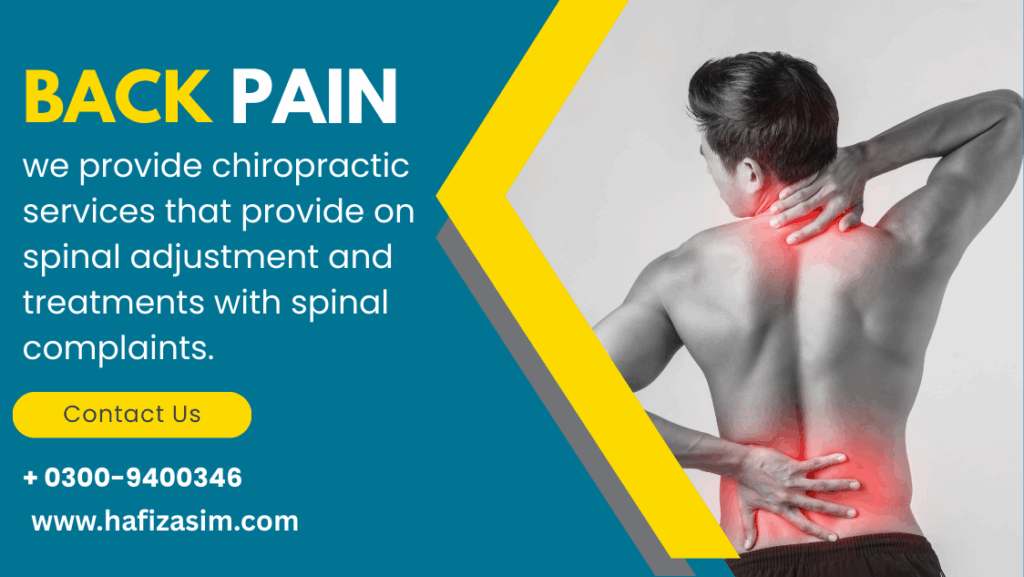
Back Pain and Sciatica
Back pain is one of the most common reasons people search for a therapist near me or physiotherapy clinic near me.
Treatment may involve:
- Movement assessment
- Therapeutic exercises
- Strengthening
- Mobility exercises
- Manual therapy when appropriate
- Posture and movement education
- Activity modification
- Home exercise programs
Persistent or severe back pain should be properly evaluated rather than repeatedly treated with temporary pain-relief methods.
The World Health Organization recognizes rehabilitation interventions as an important component of care for musculoskeletal conditions, including low back pain.
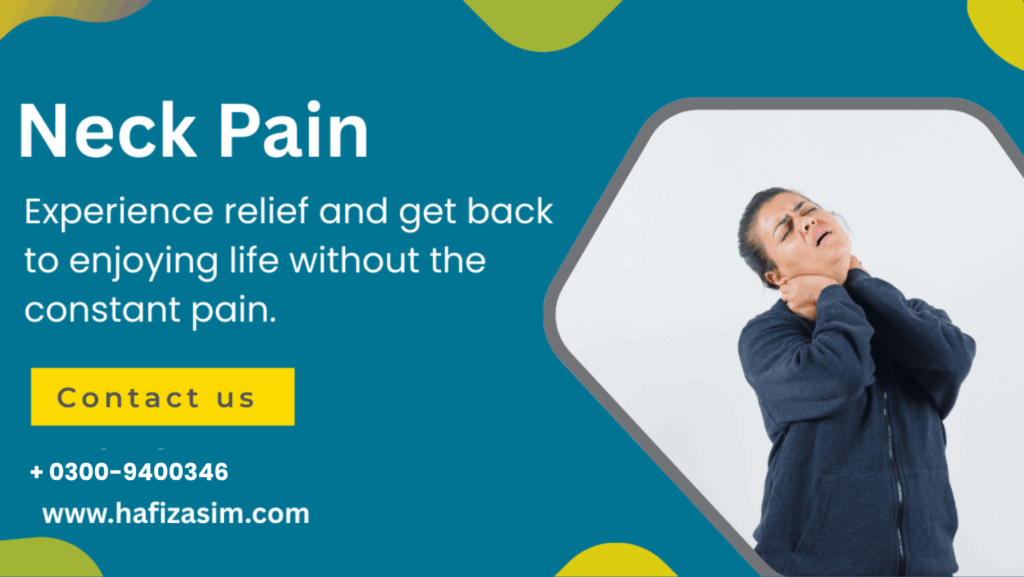
Neck Pain and Headaches
Neck pain can affect work, sleep, driving, exercise, and everyday activities.
A physical therapist may assess:
- Neck mobility
- Muscle strength
- Posture
- Shoulder and upper-back movement
- Functional limitations
- Contributing movement patterns
Some headaches may also be associated with musculoskeletal problems, although headaches can have many different causes and sometimes require medical evaluation.
Knee Pain
Knee problems can occur because of injury, arthritis, overuse, weakness, altered movement, or other conditions.
Physical therapy may focus on improving:
- Knee and hip strength
- Mobility
- Balance
- Movement mechanics
- Functional capacity
- Confidence with daily activities
For patients with arthritis or other chronic joint problems, rehabilitation can form part of a broader long-term management plan.
Shoulder Pain
Shoulder pain can interfere with simple activities such as:
- Reaching overhead
- Dressing
- Sleeping
- Lifting
- Working
- Playing sports
A physical therapy assessment can help determine which movements are restricted and which muscles or functional patterns need attention.
Hip Pain
Hip pain can affect walking, sitting, stairs, exercise, and sleep.
Physical therapy may help address mobility limitations, muscle weakness, movement problems, and functional restrictions depending on the underlying condition.
Sports and Running Injuries
Athletes and recreational runners often want to return to activity quickly.
However, returning too soon after an injury can increase the risk of persistent symptoms or reinjury.
Physical therapy for sports injuries can include rehabilitation for conditions such as:
- Runner’s knee
- Shin splints
- Achilles tendon problems
- Plantar fasciitis
- IT band syndrome
- Sports-related muscle injuries
The goal is not simply to make the pain disappear. The rehabilitation process should help restore the physical capacity required for the activity.
Post-Surgical Physical Therapy and Rehabilitation
Surgery may correct a structural problem, but rehabilitation is often an important part of the recovery process.
Depending on the surgery and medical instructions, rehabilitation may focus on:
Restoring movement
Patients may experience stiffness and reduced mobility following surgery.
Rebuilding strength
Muscles can become weaker after periods of inactivity.
Improving functional ability
The goal is often to help patients safely return to walking, working, exercising, and daily activities.
Reducing the risk of setbacks
Education about movement, activity progression, and appropriate exercises can help patients participate safely in their recovery.
Post-surgical rehabilitation should always follow the surgeon’s and rehabilitation professional’s recommendations for the specific procedure.
Neuro Rehabilitation in Lahore
Physical therapy is also an important component of rehabilitation for some neurological conditions.
Neuro rehabilitation may help people experiencing functional limitations associated with conditions such as:
- Stroke
- Spinal injuries
- Neurological disorders
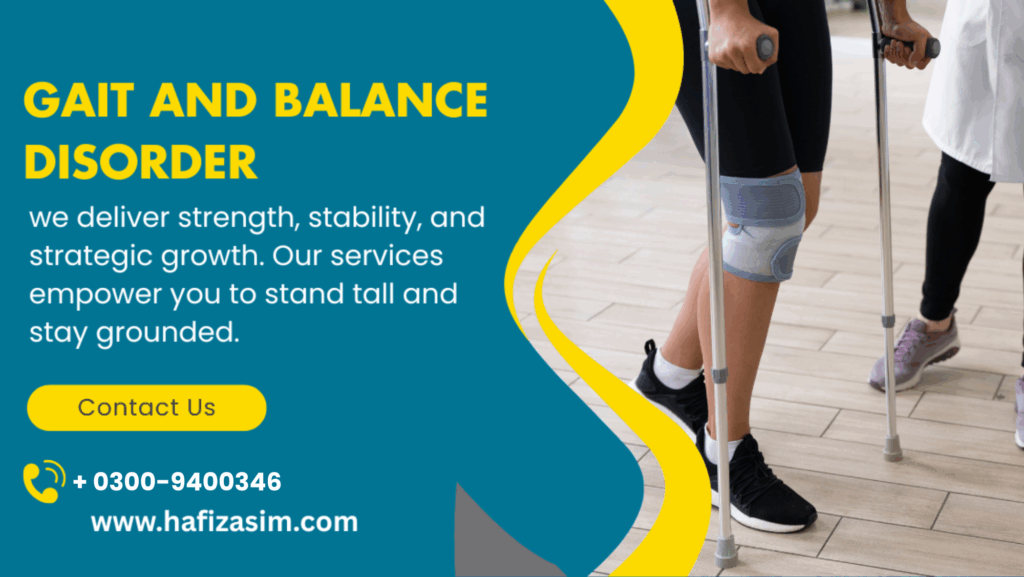
- Gait and balance problems
- Movement difficulties
The focus may be on improving movement, coordination, balance, strength, independence, and participation in everyday activities.
Prof. Asim’s clinical focus includes neurological rehabilitation, and his training includes stroke recovery and neurological rehabilitation.
Pediatric Physical Therapy
Children may require rehabilitation for developmental, neurological, orthopedic, or musculoskeletal conditions.
Pediatric rehabilitation should be adapted to the child’s:
- Age
- Developmental stage
- Physical abilities
- Communication needs
- Family environment
- Functional goals
The objective is to help children develop or regain appropriate movement and functional skills while supporting independence and participation.
Prof. Asim’s listed professional training includes pediatric-related certifications, including kinesiology taping for pediatrics and training related to preschoolers and autism.
Women’s Health and Pelvic Floor Physical Therapy
Pelvic floor problems can affect women at different stages of life.
Symptoms may include pelvic pain, pelvic floor weakness, and bladder or bowel control difficulties.
Pelvic floor physical therapy can include approaches such as:
Pelvic floor exercises
Exercises can help patients learn to strengthen and coordinate pelvic floor muscles when clinically appropriate.
Biofeedback
Biofeedback may help patients understand how to activate or relax pelvic floor muscles.
Manual therapy
Specific hands-on techniques may be used when appropriate for pain, muscle tightness, or movement restrictions.
The treatment approach should be individualized according to the patient’s symptoms and assessment.
Chronic Pain Management: When Pain Doesn’t Go Away
Chronic pain can be frustrating.
A person may have tried medication, rest, home remedies, massage, or different treatments and still feel limited by pain.
This is where a comprehensive rehabilitation approach can be particularly important.
Prof. Hafiz Asim has a specific focus on Chronic Pain Management in Physical Therapy, with an approach aimed at helping patients understand their condition, improve function, and work toward sustainable recovery.
Chronic pain is not always simply a problem with one muscle or joint. The experience of pain can be influenced by physical, psychological, social, and lifestyle factors.
That is why effective chronic pain management may involve more than one type of healthcare professional.
What About “Psychologist Near Me” When I Have Chronic Pain?
People searching Google for “psychologist near me” may sometimes be experiencing emotional stress, anxiety, sleep problems, frustration, or other psychological challenges associated with chronic pain.
However, it is important to understand the difference:
A physical therapist is not a psychologist.
A physical therapist focuses primarily on movement, physical function, rehabilitation, pain management, and physical recovery.
A psychologist is a mental health professional who provides psychological assessment and therapy.
For some people with persistent pain, appropriate care may involve collaboration between physical therapy, medical care, and psychological support. The WHO’s chronic low-back-pain guideline considers physical, psychological, and multicomponent interventions among the approaches that may be relevant depending on the patient and clinical situation.
If you are searching for “psychologist near me” because chronic pain is affecting your mood, sleep, relationships, work, or quality of life, discussing this with an appropriate mental health professional can be an important part of comprehensive care.
Doctor of Physical Therapy: What Does DPT Mean?
One question patients often ask is:
“What is a Doctor of Physical Therapy?”
DPT stands for Doctor of Physical Therapy.
It is a professional doctoral degree in physical therapy. The title should not be confused with a medical doctor (MD).
Prof. Dr. Hafiz Muhammad Asim earned his Doctor of Physical Therapy from A.T. Still University in Arizona, USA, and holds an Orthopedic Certified Specialist (OCS) credential.
His qualifications are:
DPT — Doctor of Physical Therapy
A.T. Still University, Arizona, USA
OCS — Orthopedic Certified Specialist
Orthopedic specialization through the American Board of Physical Therapy.
PhD — Physical Therapy
Academic doctoral training from Malaysia University of Science and Technology, according to his professional profile.
When choosing a physical therapist, qualifications should be considered together with clinical experience and experience treating your particular condition.
How to Choose the Best Physiotherapy Clinic Near Me
If you search “physiotherapy clinic near me”, you may find dozens of options.
Instead of choosing only based on distance or price, consider these questions.
1. Does the therapist have appropriate qualifications?
Look for recognized professional education and relevant specialist credentials.
2. Does the therapist treat your specific condition?
Someone specializing in sports injuries may have a different clinical focus from someone who primarily treats neurological rehabilitation.
3. Will you receive an assessment?
A proper evaluation is an important starting point for individualized rehabilitation.
4. Is the treatment personalized?
Two people with “back pain” may have very different causes, limitations, and rehabilitation needs.
5. Does the therapist explain the problem?
Patient education can help you understand what you can safely do at home and how to participate in recovery.
6. Is there a plan for long-term improvement?
The goal of rehabilitation should generally extend beyond temporary symptom relief and focus on improving function and quality of life.
What Happens During a Physical Therapy Consultation?
Many patients feel nervous before their first appointment because they don’t know what to expect.
A consultation may include:
Step 1: Understanding your history
The therapist asks about your symptoms, previous injuries, medical history, activities, and goals.
Step 2: Physical assessment
Depending on your condition, the therapist may evaluate movement, strength, flexibility, balance, posture, functional ability, and other relevant factors.
Step 3: Explaining the findings
A good consultation should help you understand what may be contributing to your symptoms and what needs further investigation.
Step 4: Developing a treatment strategy
The rehabilitation plan can include exercises, education, manual techniques, activity modification, and other appropriate interventions.
Step 5: Creating a home plan
Your progress does not happen only inside the clinic. Appropriate home exercises and activity guidance can be an important part of rehabilitation.
Why Personalized Physical Therapy Matters
Imagine two people arrive at the clinic complaining of knee pain.
One is a 25-year-old athlete who developed pain after increasing running mileage.
The other is a 65-year-old person with long-standing arthritis.
They both have “knee pain,” but their rehabilitation needs may be completely different.
That is why physical therapy should not be reduced to a standard package of exercises.
A personalized approach considers:
- The cause and history of the problem
- Age and activity level
- Strength and mobility
- Functional limitations
- Previous treatment
- Medical history
- Personal goals
- Work and lifestyle requirements
Why Prof. Hafiz Asim Is Considered by Patients Looking for a Physical Therapy Consultant in Lahore
Prof. Dr. Hafiz Muhammad Asim brings several distinguishing factors to his physical therapy practice:
More than 27 years of clinical experience
His professional profile describes more than 27 years of experience in musculoskeletal, orthopedic, and neurological rehabilitation.
International clinical experience
He has worked in healthcare environments in both Canada and the United States.
Doctor of Physical Therapy from the USA
He earned his DPT from A.T. Still University in Arizona.
Orthopedic Certified Specialist
He became Pakistan’s first Orthopedic Certified Specialist (OCS), according to his professional biography.
Broad rehabilitation expertise
His clinical focus includes musculoskeletal and orthopedic conditions, post-surgical rehabilitation, pediatric rehabilitation, neuro rehabilitation, women’s health, chronic pain management, and orthotics and prosthetics.
Convenient DHA Phase 5 location
The clinic is located at 153/1, Sector F, Phase V, DHA, Lahore.
When Should You See a Physical Therapist?
You may want to consider a physical therapy assessment if you have:
- Persistent back pain
- Neck pain
- Knee pain
- Shoulder pain
- Hip pain
- Sports injuries
- Difficulty walking
- Balance problems
- Recovery challenges after surgery
- Muscle weakness
- Joint stiffness
- Chronic pain
- Pelvic floor problems
- Movement limitations
- Difficulty returning to normal activities after an injury
However, some symptoms require urgent medical evaluation rather than routine physiotherapy. Severe trauma, sudden neurological changes, loss of bladder or bowel control, unexplained significant weight loss, fever with severe pain, chest pain, or other serious symptoms should be assessed urgently by an appropriate medical professional.