Lower back pain is one of the most common musculoskeletal problems affecting adults. It can range from mild stiffness after sitting for a long time to severe pain that makes walking, working, sleeping, or performing everyday activities difficult.
For some people, lower back pain is related to muscles, joints, posture, physical inactivity, or repetitive strain. For others, it may be associated with conditions such as a lumbar disc bulge, herniated disc, slipped disc, spinal stenosis, or sciatica.
The good news is that many cases of lower back pain can be managed without surgery. Depending on the cause and severity, treatment may include education, exercise, physical therapy, lifestyle changes, medication, or other medical interventions. WHO recommends non-surgical approaches including education, exercise and appropriate physical therapies for chronic primary low back pain.
What Is Lower Back Pain?
Lower back pain refers to discomfort or pain in the area between the bottom of the ribs and the buttocks.
It may feel like:
- A dull ache
- Muscle tightness or stiffness
- Sharp or stabbing pain
- Burning pain
- Pain that becomes worse with certain movements
- Pain that travels into the buttocks or legs
- Numbness or tingling
- Weakness in the leg
Lower back pain can be acute, subacute, or chronic, depending on how long symptoms continue. WHO defines acute low back pain as lasting less than six weeks, subacute as six to twelve weeks, and chronic as more than twelve weeks.
What Causes Lower Back Pain?
There isn’t one single cause of lower back pain.
In fact, WHO reports that approximately 90% of low back pain is nonspecific, meaning that a specific structural cause cannot confidently be identified.
Common contributors include:
1. Muscle Strain
Lifting something incorrectly, sudden movements, repetitive physical activity, or overuse can strain the muscles and soft tissues around the lower back.
2. Prolonged Sitting
Spending many hours sitting at a desk, driving, or using a computer can contribute to stiffness, reduced physical activity, and back discomfort.
However, sitting itself does not necessarily mean that your spine is being “damaged.” A combination of prolonged inactivity, poor movement habits, muscle weakness, and individual factors may contribute to symptoms.
3. Poor Movement Patterns
Repeatedly bending, twisting, lifting, or performing activities without adequate strength and movement control can contribute to back symptoms.
4. Muscle Weakness and Physical Inactivity
A sedentary lifestyle may reduce overall strength and physical capacity. Regular movement and appropriately prescribed exercise are important components of managing and preventing recurring back pain.
5. Age-Related Changes
As people age, discs, joints, and other spinal structures naturally change. These changes are common and do not always cause pain.
6. Disc Bulge or Herniation
A disc can bulge or herniate and sometimes irritate or compress a nearby nerve. When this occurs in the lumbar spine, it can cause symptoms such as sciatica, numbness, tingling, or weakness in the leg.
What Is a Disc Bulge?
The discs between the vertebrae act as cushions that help absorb forces through the spine.
A disc bulge occurs when the disc extends beyond its normal boundary. Disc bulges can occur without causing symptoms, particularly as part of normal age-related changes.
This is important because:
Having a disc bulge on an MRI does not automatically mean that the disc is the cause of your pain.
A healthcare professional needs to consider your symptoms, physical examination, movement, neurological findings, and medical history together.
What Is a Slipped Disc?
“Slipped disc” is a common term used to describe a herniated, prolapsed, or ruptured disc.
Despite the name, the disc does not literally “slip” out of position.
A herniated disc occurs when material from inside the disc pushes through a weakened or torn outer layer. If the displaced material irritates a spinal nerve, symptoms can extend into the buttock and leg.
Symptoms of a Herniated Disc
Depending on the location and severity, symptoms may include:
- Lower back pain
- Buttock pain
- Leg pain
- Sciatica
- Numbness
- Tingling
- Burning or electric-shock-like sensations
- Muscle weakness
Some people with a herniated disc may have little or no pain if a nerve is not affected.
Disc Bulge vs. Slipped Disc: What’s the Difference?
These terms are often confused.
| Condition | What it generally means |
|---|---|
| Disc bulge | The disc extends beyond its usual boundary |
| Herniated disc | Disc material pushes through a tear or defect in the outer layer |
| Slipped disc | Common non-medical term often used for a herniated disc |
| Sciatica | Symptoms caused by irritation or compression of nerves contributing to the sciatic nerve |
The important point is that the scan alone does not determine the treatment. Symptoms and clinical findings need to be considered alongside imaging.
What Is Sciatica?
Sciatica refers to pain and/or neurological symptoms traveling along the pathway of the sciatic nerve.
It commonly affects one side and may travel from the lower back or buttock into the thigh, calf, or foot.
Common Symptoms of Sciatica
You may experience:
- Pain traveling down one leg
- Burning pain
- Tingling
- Numbness
- Electric-shock-like sensations
- Leg or foot weakness
A lumbar herniated disc is one common cause of sciatica, but it is not the only possible cause.
How Is Lower Back Pain Diagnosed?
A proper assessment is more than simply looking at an MRI report.
A physical therapist or other qualified healthcare professional may assess:
Movement
How your spine, hips, pelvis, and legs move during everyday activities.
Strength
Whether weakness is contributing to difficulty with movement or function.
Flexibility and Mobility
Restrictions in movement that may be associated with your symptoms.
Neurological Symptoms
Where appropriate, assessment may include sensation, muscle strength, and reflexes.
Daily Activities
Your work, sitting, driving, sleeping, exercise, and other activities can provide important information about your condition.
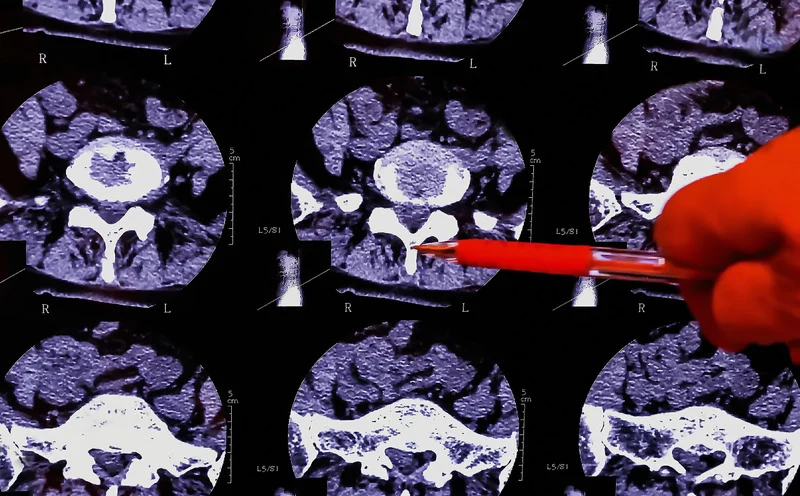
Do You Need an MRI for Lower Back Pain?
Not necessarily.
Imaging is not routinely required for every person with lower back pain. The decision depends on symptoms, examination findings, duration, suspected underlying conditions, and whether the result would change management.
For example, the AANS notes that MRI is generally not recommended immediately for a suspected herniated disc unless symptoms and clinical circumstances warrant it.
An MRI can show structural changes, but those findings need to be interpreted in the context of the person’s symptoms.
How Is Lower Back Pain Treated?
Treatment depends on the underlying cause, severity, duration, and individual circumstances.
For many people, treatment is conservative and non-surgical.
Physical Therapy for Lower Back Pain
Physical therapy can play an important role in helping people with lower back pain return to normal activities.
A personalized program may include:
Therapeutic Exercise
Exercises can be prescribed to improve strength, mobility, endurance, and movement capacity.
Core and Trunk Strengthening
Appropriately selected strengthening exercises can help improve physical capacity and support functional movement.
Mobility Exercises
Depending on the assessment, exercises may address restrictions involving the lumbar spine, hips, or surrounding muscles.
Movement and Posture Education
A therapist can help you understand how to modify activities and gradually return to normal movement.
Gait and Functional Training
For people whose back pain affects walking or everyday activities, rehabilitation may include functional movement and walking strategies.
Education and Self-Management
Understanding your condition can help reduce fear around movement and support long-term recovery.
WHO recommends rehabilitation and physical activity as important components of low back pain management.
Can a Disc Bulge Be Treated Without Surgery?
Many people with disc-related symptoms do not require surgery.
AANS states that the majority of herniated discs do not require surgery and that symptoms of sciatica/radiculopathy improve in approximately nine out of ten people, although recovery time varies.
Non-surgical treatment may include:
- Physical therapy
- Exercise and gradual activity
- Education and self-management
- Appropriate medication when prescribed or advised
- Other treatments based on the individual’s condition
Surgery may be considered in selected cases when symptoms persist despite appropriate conservative treatment or when significant neurological problems develop. NICE recommends considering spinal decompression for sciatica when non-surgical treatment has not improved pain or function and imaging findings are consistent with symptoms.
When Should You See a Physical Therapist?
Consider an assessment if lower back pain is:
- Interfering with work
- Affecting sleep
- Making walking difficult
- Limiting exercise
- Making it difficult to bend or sit
- Returning repeatedly
- Associated with leg pain
- Associated with numbness or tingling
- Affecting your confidence in movement
Early professional assessment can help determine whether your symptoms are appropriate for rehabilitation or require further medical evaluation.
When Is Lower Back Pain an Emergency?
Most lower back pain is not an emergency, but certain symptoms require urgent medical assessment.
Seek urgent medical attention if back or leg symptoms are accompanied by:
- New loss of bladder or bowel control
- Numbness around the genitals or anus
- Significant or progressive leg weakness
- Severe neurological symptoms
- Major trauma
- Fever or signs of serious infection
- Unexplained weight loss or a history of cancer with new concerning symptoms
These symptoms can indicate serious conditions requiring prompt evaluation.
How Can You Reduce the Risk of Recurring Lower Back Pain?
There is no guaranteed way to prevent every episode of back pain, but several habits can support spinal and overall health.
Stay Physically Active
Regular movement is important. Avoiding activity completely for long periods can contribute to reduced strength and physical capacity.
Build Strength Gradually
Strengthening should be appropriate to your ability and progressed gradually.
Maintain a Healthy Weight
Maintaining a healthy body weight can reduce overall physical stress and support general health.
Take Breaks From Prolonged Sitting
If your work involves sitting for long periods, regularly changing position and moving can be helpful.
Improve Your Workstation
Adjust your desk, chair, monitor, and working position to support comfortable movement.
Learn Safe Movement Strategies
A physical therapist can help you learn how to approach lifting, bending, exercise, and other activities according to your condition.
Frequently Asked Questions About Lower Back Pain
Get Expert Help for Lower Back Pain
Lower back pain can have many different causes, and the right treatment starts with the right assessment.
If you’re experiencing persistent back pain, sciatica, suspected disc bulge, slipped disc symptoms, stiffness, or difficulty with everyday movement, a professional physical therapy assessment can help determine an appropriate rehabilitation approach.
Prof. Dr. Hafiz Muhammad Asim – Consultant Physical Therapist
At IMC Rehab Services, treatment is personalized according to your symptoms, functional limitations, goals, and clinical assessment.
📅 Book Your Consultation
Call: 0300-9400346 | 042-37178903
Don’t let lower back pain decide what you can and cannot do. Take the first step toward better movement and function.