Pelvic floor therapy is not only for women.
This is one of the most common misconceptions about pelvic health.
Men have pelvic floor muscles too. These muscles support the bladder and bowel, help control urination and bowel movements, and contribute to sexual function. When these muscles become weak, tight, poorly coordinated, or affected by injury or surgery, men can experience symptoms that are uncomfortable, frustrating, and sometimes difficult to discuss.
For men experiencing urinary leakage, frequent urination, pelvic or groin pain, bowel-control problems, post-prostate-surgery symptoms, or certain pelvic floor-related sexual difficulties, pelvic floor physical therapy may be an important part of rehabilitation.
If you are searching for a pelvic floor therapist in Lahore, pelvic floor physiotherapy in Lahore, or the best pelvic floor therapist in Lahore, understanding what this therapy involves is an important first step.
Prof. Dr. Hafiz Muhammad Asim, DPT (USA), OCS (USA) is a Consultant Physical Therapist with more than 27 years of clinical experience and training that includes pelvic floor rehabilitation.
📍 153/1, Sector F, Phase V, DHA, Lahore
📞 0300-9400346 | 042-37178903
What Is Pelvic Floor Therapy for Men?
Pelvic floor therapy is a specialized area of physical therapy that focuses on the muscles, connective tissues, movement, coordination, and function of the pelvic region.
The male pelvic floor extends between the pubic bone at the front and the tailbone at the back. It supports the bladder and bowel and plays an important role in controlling the urethra and anus. These muscles also contribute to sexual function.
A pelvic floor physical therapist evaluates how these muscles are functioning and develops an individualized rehabilitation program.
Depending on the patient’s condition, treatment may involve:
- Pelvic floor muscle training
- Relaxation and breathing techniques
- Strength and coordination exercises
- Movement and posture training
- Bladder and bowel strategies
- Manual therapy when appropriate
- Biofeedback when clinically indicated
- A personalized home exercise program
The goal is not simply to make the pelvic floor muscles stronger.
The muscles also need to be able to relax, contract, coordinate, and respond appropriately to different activities.
Pelvic Floor Therapy Is Not Just for Women
Why do so many people associate pelvic floor therapy with women?
Pregnancy, childbirth, and women’s pelvic health have understandably received significant attention. But that does not mean men don’t have pelvic floor problems.
Men have pelvic floor muscles that are essential for:
- Bladder control
- Bowel control
- Controlling gas
- Supporting pelvic organs
- Urination
- Sexual function
- Maintaining appropriate pelvic stability
Weak or poorly coordinated pelvic floor muscles can contribute to urinary leakage, post-urination dribbling, bowel-control problems, and some sexual-function difficulties.
So yes — men can benefit from pelvic floor physiotherapy too.
What Does the Male Pelvic Floor Do?
Think of the pelvic floor as a muscular support system at the bottom of the pelvis.
It has several important jobs.
1. Supports the Bladder
The pelvic floor helps support the bladder and contributes to urinary control.
When the muscles do not function properly, some men may experience urinary leakage or difficulty controlling urgency.
2. Helps Control Bowel Movements
The pelvic floor also contributes to bowel control.
Problems with these muscles can sometimes contribute to difficulty controlling stool or gas.
3. Helps With Urinary Control
Pelvic floor muscles help control the opening of the urethra.
This becomes particularly important when pressure inside the abdomen increases — for example, when coughing, sneezing, lifting, or exercising.
4. Contributes to Sexual Function
Pelvic floor muscles also play a role in male sexual function.
Research and clinical guidance indicate that appropriate pelvic floor muscle training may help some aspects of sexual function, although the cause of sexual problems varies and not every problem is caused by the pelvic floor.
Who Can Benefit From Pelvic Floor Therapy?
Pelvic floor physical therapy may be appropriate for men experiencing a range of symptoms.
You may want to discuss pelvic floor rehabilitation with a qualified healthcare professional if you experience:
- Urinary leakage
- Urine leakage when coughing or sneezing
- Post-urination dribbling
- Frequent urination
- Urgency to urinate
- Difficulty controlling bowel movements
- Difficulty controlling gas
- Pelvic pain
- Groin pain
- Certain types of chronic pelvic pain
- Recovery after prostate surgery
- Pelvic floor weakness
- Difficulty properly contracting or relaxing the pelvic floor
- Certain sexual-function concerns
These symptoms can have many possible causes, so a proper assessment is important before assuming that pelvic floor exercises are the solution.
Pelvic Floor Therapy After Prostate Surgery
One of the most important reasons men may be referred for pelvic floor rehabilitation is prostate surgery.
For example, men undergoing radical prostatectomy may experience urinary incontinence afterward.
Pelvic floor muscle training is commonly used as part of rehabilitation around prostate surgery and can help improve urinary control.
A physical therapist can help a patient:
Identify the correct muscles
Many people are unsure whether they are contracting the correct pelvic floor muscles.
Learn proper technique
Incorrectly performing pelvic floor exercises may reduce their effectiveness.
Build strength gradually
The muscles need appropriate progression rather than simply doing as many contractions as possible.
Improve coordination
The pelvic floor needs to respond appropriately during activities such as coughing, lifting, walking, and exercise.
Develop a long-term routine
Consistency is important for rehabilitation.
Can Pelvic Floor Therapy Help Men With Urinary Leakage?
Yes, pelvic floor muscle training can help many men with urinary incontinence, depending on the cause.
Men may experience leakage:
- After prostate surgery
- When coughing
- When sneezing
- During physical activity
- When lifting
- With a sudden urge to urinate
- As post-urination dribbling
Pelvic floor muscle training is an established component of conservative management for urinary incontinence.
However, urinary leakage should not automatically be attributed to weak pelvic floor muscles.
A proper assessment can help determine whether strengthening, relaxation, coordination training, bladder strategies, medical evaluation, or another approach is appropriate.
Can Pelvic Floor Therapy Help With Pelvic or Groin Pain?
Pelvic floor problems are not always caused by weak muscles.
Sometimes the muscles may be excessively tight or unable to relax properly.
This can be associated with pelvic, genital, groin, tailbone, or related pain in some patients. Pelvic health rehabilitation can include assessment of muscle strength, flexibility, relaxation, posture, breathing, and movement.
This is one reason why simply doing hundreds of Kegel exercises is not necessarily the right approach for every man.
A weak pelvic floor may need strengthening.
An overly tense pelvic floor may need relaxation and coordination.
The right treatment depends on the assessment.
Pelvic Floor Therapy and Men’s Sexual Health
This is an important topic that many men hesitate to discuss.
The pelvic floor muscles contribute to male sexual function. Some clinical guidance notes potential benefits of pelvic floor training for aspects such as maintaining erections and sexual control.
However, sexual difficulties can have many causes, including vascular, hormonal, neurological, psychological, medication-related, and other medical factors.
Therefore, pelvic floor therapy should not be presented as a universal treatment for erectile dysfunction or other sexual problems.
Instead, a qualified physical therapist can determine whether pelvic floor dysfunction may be contributing and whether rehabilitation is appropriate.
When necessary, referral to a urologist or another appropriate healthcare professional may also be recommended.
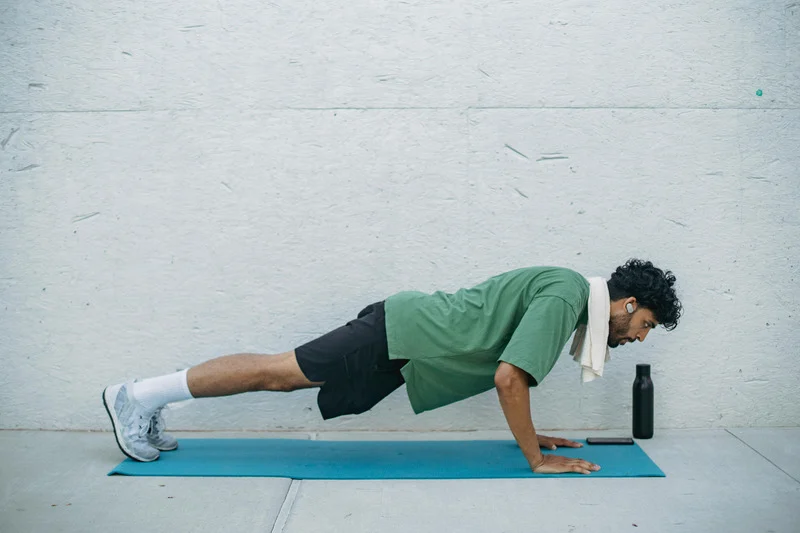
Why Doing Kegel Exercises Isn’t Always Enough
You may have heard:
“Just do Kegel exercises.”
But pelvic floor rehabilitation can be more complicated than simply repeatedly tightening the muscles.
The pelvic floor needs to:
Contract → Relax → Coordinate → Respond
A person may have difficulty identifying the correct muscles, may hold unnecessary tension in the abdomen or buttocks, or may have pelvic floor muscles that are already too tense.
Specialist pelvic floor physiotherapy can assess these factors and develop a more appropriate program. Cleveland Clinic, for example, describes individualized pelvic rehabilitation involving strength and flexibility assessment, relaxation techniques, biofeedback where appropriate, and personalized home exercises.
Benefits of Pelvic Floor Physical Therapy for Men
Depending on the individual’s condition, pelvic floor rehabilitation may help with:
Better Bladder Control
Strengthening and coordinating the pelvic floor can help some men reduce urinary leakage.
Improved Bowel Control
The pelvic floor contributes to bowel and gas control, and appropriate rehabilitation may help when muscle dysfunction is contributing to symptoms.
Better Pelvic Muscle Coordination
Therapy can help patients learn when to contract and when to relax the pelvic floor.
Recovery After Prostate Surgery
Pelvic floor rehabilitation can be an important component of recovery from prostate surgery, particularly for urinary control.
Management of Certain Pelvic Pain Problems
Depending on the cause, rehabilitation may address muscle tension, flexibility, breathing, posture, movement, and pelvic muscle coordination.
Support for Sexual Function
Pelvic floor muscles contribute to sexual function, and strengthening or improving their coordination may benefit some men.
What Happens During a Male Pelvic Floor Therapy Consultation?
If you have never visited a pelvic floor therapist before, you may wonder what actually happens during the appointment.
The consultation generally begins with a detailed discussion.
Step 1: Discuss Your Symptoms
The therapist may ask about:
- Urinary symptoms
- Bowel symptoms
- Pain
- Previous surgery
- Injuries
- Physical activity
- Exercise
- Daily activities
- Relevant medical history
Step 2: Understand Your Goals
Your goal might be:
“I want to stop leaking urine.”
Or:
“I want to return to exercise without pelvic pain.”
Or:
“I want to recover properly after prostate surgery.”
The treatment plan should be based on your individual goals.
Step 3: Physical Assessment
Depending on the symptoms and clinical situation, the therapist may assess movement, posture, breathing, muscle strength, coordination, and other relevant physical factors.
A pelvic floor assessment can be external, and in some specialized settings an internal assessment may be considered when clinically appropriate and with informed consent.
Step 4: Develop a Treatment Plan
Your therapist may recommend:
- Specific pelvic floor exercises
- Relaxation techniques
- Breathing exercises
- Strengthening
- Mobility exercises
- Coordination training
- Bladder or bowel strategies
- Home exercises
- Biofeedback when appropriate
What Causes Pelvic Floor Problems in Men?
Pelvic floor dysfunction can have different causes.
Some factors associated with pelvic floor weakness or dysfunction include:
Prostate Surgery
Prostate surgery can affect urinary control and pelvic floor function.
Aging
Muscle strength and physical fitness can change with age.
Lack of Physical Activity
Poor general fitness can contribute to reduced muscle conditioning.
Chronic Coughing
Repeated increases in abdominal pressure can place additional demands on the pelvic floor.
Constipation and Straining
Repeated straining can place stress on the pelvic floor.
Heavy Lifting
Repeated heavy lifting can increase pressure through the abdomen and pelvis.
Neurological Conditions
Conditions affecting the nervous system can also affect bladder and pelvic floor function.
Pelvic Floor Physiotherapy vs. Doing Exercises at Home
Home exercises can be useful, and pelvic floor muscle training is an important part of treatment for many men.
But there is a difference between:
“I know which muscles to exercise and how to do it correctly.”
and:
“I’m not sure what is causing my symptoms or whether I’m exercising the right muscles.”
A specialist assessment becomes particularly valuable when:
- Symptoms are persistent
- Exercises aren’t helping
- You cannot identify the correct muscles
- You experience pelvic pain
- You have recently had prostate surgery
- You experience significant urinary problems
- You have bowel-control problems
- You are unsure whether the muscles are weak or overly tight
NHS guidance recommends seeking professional help when men are unable to properly identify or contract the pelvic floor muscles or when symptoms do not improve with exercise.
Why Men Shouldn’t Feel Embarrassed About Pelvic Floor Therapy
Pelvic health can be a difficult subject to discuss.
Some men may feel uncomfortable talking about:
- Urine leakage
- Frequent urination
- Pelvic pain
- Bowel problems
- Sexual difficulties
- Post-prostate-surgery symptoms
But these are health concerns — not something to be embarrassed about.
Just as a person seeks physical therapy for a painful shoulder or knee, pelvic floor problems can also be assessed and treated professionally.
You don’t have to ignore the problem simply because it is difficult to talk about.
How to Find the Best Pelvic Floor Therapist in Lahore
If you’re searching online for the best pelvic floor therapist in Lahore, don’t choose a provider based only on the word “best” in an advertisement.
Look for:
Relevant qualifications
Check the therapist’s physical therapy education and professional credentials.
Pelvic health experience
Pelvic floor rehabilitation requires specific knowledge beyond general exercise therapy.
Individual assessment
Your treatment should be based on your symptoms and physical findings.
Evidence-based rehabilitation
Treatment should be based on appropriate clinical assessment and established rehabilitation principles.
Privacy and professionalism
Pelvic health is personal. Choose a healthcare professional who makes you feel comfortable discussing sensitive symptoms.
Appropriate referrals
A good therapist should recognize when symptoms require assessment by a urologist, physician, or another healthcare professional.
Pelvic Floor Therapist in Lahore
If you are looking for a pelvic floor therapist in Lahore, Prof. Dr. Hafiz Muhammad Asim provides physical therapy consultation and rehabilitation services in DHA Phase 5, Lahore.
Prof. Asim is a Consultant Physical Therapist with more than 27 years of clinical experience and qualifications including:
- Doctor of Physical Therapy (DPT) — A.T. Still University, USA
- Orthopedic Certified Specialist (OCS)
- PhD-level academic training in Physical Therapy
- International clinical experience in Canada and the USA
- Training in pelvic floor rehabilitation
- Experience across musculoskeletal, orthopedic, neurological, and chronic pain rehabilitation
His broader rehabilitation services include women’s health and pelvic floor therapy, and pelvic health rehabilitation can be relevant to male patients as well.
Clinic Location
153/1, Sector F, Phase V, DHA, Lahore
Contact
0300-9400346
042-37178903
Book a Pelvic Floor Therapy Consultation
Frequently Asked Questions About Pelvic Floor Therapy for Men
Take Your Pelvic Health Seriously
Pelvic floor therapy is not a women’s-only treatment.
Men have pelvic floor muscles, and those muscles play an important role in bladder control, bowel control, pelvic support, and sexual function.
If you’re experiencing urinary leakage, pelvic pain, post-prostate-surgery symptoms, bowel-control problems, or other pelvic health concerns, don’t simply ignore them.
A professional assessment can help determine whether pelvic floor rehabilitation is appropriate for you.
Prof. Dr. Hafiz Muhammad Asim, DPT (USA), OCS (USA) provides specialist physical therapy consultation in DHA Phase 5, Lahore.
📍 153/1, Sector F, Phase V, DHA, Lahore
📞 0300-9400346 | 042-37178903
Book Your Consultation on WhatsApp